
Local SEO vs SEO is the difference between winning customers near you and winning customers anywhere. Local SEO puts your business on Google Maps and in local results when a nearby customer searches. Normal SEO helps your website rank in general results for a wider audience. The right choice depends on where your customers live and how they buy.
This guide covers
- Key Takeaways
- What Is Normal SEO?
- What Is Local SEO?
- What Is the Main Difference Between Local SEO and Normal SEO?
- Who Should Focus on Local SEO, Normal SEO, or Both?
- How Do You Choose the Right Approach Step by Step?
- What Mistakes Should You Avoid?
- Frequently Asked Questions
- Ready to Get Found by the Right Customers?
Key Takeaways
- Local SEO vs SEO comes down to place. Local SEO wins nearby customers, while normal SEO wins a wider audience.
- Normal SEO builds broad visibility with helpful pages, strong content, and links from other websites.
- Local SEO builds nearby visibility with your Google Business Profile, reviews, local pages, and matching business details.
- Many small businesses need both, but local work usually comes first when customers visit, call, or buy in person.
- Your customers decide the mix. Follow where they live, how they search, and how they buy.
What Is Normal SEO?
Normal SEO, often called general SEO, helps a website rank in search results for people in any location. A business that sells online courses, software, or products by post can serve customers in many cities or countries.
For that business, place is not the main signal. Google looks at relevance, quality, and trust. A page that answers a question well, loads fast, and earns links from respected sites can rank far from where the business sits.
Normal SEO rests on three pillars. The first is content that answers real questions in clear words. The second is a fast, mobile friendly website that search engines can read with ease.
The third pillar is authority. When respected websites link to your pages, Google treats those links as votes of confidence. Tools like Google Search Console show which queries bring visits, while Google Analytics shows what visitors do next.

A national online shop might publish buying guides, product pages, and comparison articles that cover a whole topic. A software company might explain a problem, show how its tool solves it, and share case studies from customers in different places.
In both cases the audience is wide. A general guide and a local page serve different searchers, and that is why local SEO vs SEO matters when you plan content. One page cannot do both jobs well.
If the local side is new to you, read our guide on what local SEO is and why your small business needs it. It explains the local idea in simple words, while this guide compares it with the wider approach.
What Is Local SEO?
Local SEO helps a business appear when nearby customers search for a service. Think of a person who searches for a cafe, a plumber, a salon, or a dentist, and who wants help soon and close by.
Google answers that search with a map, a short list of nearby businesses, and a business panel with reviews, hours, phone number, and directions. Local SEO aims to put your business in that short list, often called the map pack.
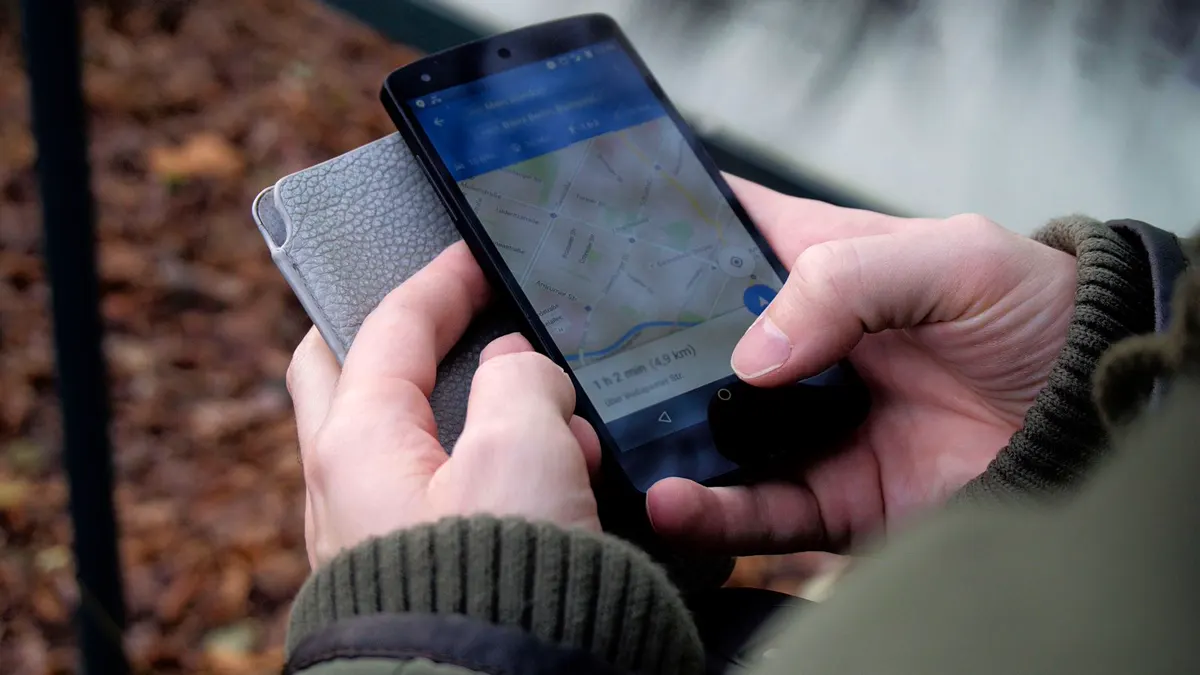
Your Google Business Profile is central, because it feeds the map listing and the business panel. Reviews matter a great deal, because they show trust and recent activity.
Your name, address, and phone number must match across your website and other listings. These mentions, called citations, help Google trust that your details are correct.
Local pages on your website, such as a page for each service and each area you serve, also help Google connect your business with local searches.
Our guide on how local SEO works in simple words explains how the profile, reviews, and website pages work together. If you have not set up your listing yet, read our guide on Google Business Profile setup before you start other local work.
Service area businesses can benefit too. Plumbers, cleaners, and tutors who visit customers can list the areas they serve and hide a home address, as Google directs. The map pack still shows them to nearby searchers.
What Is the Main Difference Between Local SEO and Normal SEO?
The main difference is the searcher. Normal SEO answers a question for anyone, anywhere. Local SEO answers a need for someone nearby, often with a clear next step such as a call, a visit, or directions.
That difference shapes the tools, the content, and the signals that matter most. Local rankings lean on reviews, distance, and correct business details. General rankings lean on content depth, site quality, and trusted backlinks.
| Area | Local SEO | Normal SEO |
|---|---|---|
| Who it targets | Customers near your business | Customers in any location |
| Where it appears | Google Maps, the map list, and local search results | General search results and topic pages |
| Main tools | Google Business Profile, reviews, and local pages | Website pages, blog content, and links from other sites |
| Key signals | Reviews, distance, and correct business details | Useful content, site quality, and trusted links |
| Best for | Shops, clinics, salons, trades, and local services | Online shops, software, courses, and national brands |
| First step | Complete your Google Business Profile | Research topics and questions |
Intent is the second big difference. A local search often means the customer is ready to act. A general search can mean the customer is still learning, comparing, or researching.
Both types of intent matter, but they need different pages and different calls to action. A local page should make calling, booking, or visiting easy. A general guide should answer the question fully and build trust over time.
In short, local SEO vs SEO is a question of audience first and tactics second. Choose the audience, then pick the tactics that serve that audience.
Who Should Focus on Local SEO, Normal SEO, or Both?
The answer to local SEO vs SEO depends on how your customers buy from you. If customers must visit you, or if you visit them at home or at work, local SEO should be your first focus.
Cafes, restaurants, dentists, hair salons, gyms, plumbers, electricians, and local shops all fit this group. For these businesses, a strong map listing and good reviews can bring calls and visits every week.

If you sell only online, normal SEO should be your first focus. An online shop, a course creator, or a software business can serve customers far away, so broad topic pages and useful guides matter more than a map listing.
Location still matters for delivery and support pages, but it is not the main ranking signal for an online only business. Content depth and topical authority carry more weight.
Many businesses need both. A shop that also sells online, a clinic with online booking, or a franchise with many branches can use local pages for each branch and general pages for wider topics.
In that case, start with the side that brings paying customers first, then add the other side step by step.
If you want help with the local side, take a look at our local SEO services and see how local pages, profiles, and reviews work together.
How Do You Choose the Right Approach Step by Step?
Use this simple check to decide where local SEO vs SEO fits your business. Work through each step in order, and write down your answers before you spend time or money on content.
- Look at where your customers live and buy. If most customers come from one town or city, local work comes first. If customers come from many places, general work comes first.
- Check how customers find you now. Ask new customers how they found you, and look at which pages and listings bring calls, visits, and enquiries.
- List the places you truly serve. Do not claim areas you cannot serve well, because weak local pages help no one and confuse search engines.
- Start with your Google Business Profile if local customers matter. Complete it, add real photos, and ask happy customers for reviews.
- Build general pages if you serve a wider audience. Write guides that answer real questions, explain your products clearly, and link to the right service pages.
- Review results each month. Check calls, direction requests, website visits, and enquiries, then keep what works and fix what does not.
Your answers give you a clear order of work. Do the first side well before you spread effort across both. That order is the practical answer to local SEO vs SEO for your business.
What Mistakes Should You Avoid?
A common mistake in local SEO vs SEO planning is to copy a national plan for a local business. A page that targets a whole country will not help a plumber who works in one city. The reverse is also true.
Other mistakes are easy to avoid. Do not add place names to every page when they do not fit, because stuffed pages read poorly and can weaken trust.
Do not ignore reviews, because unanswered reviews shape what new customers think. Do not create a second listing for the same business at the same address, because duplicate listings split reviews and confuse Google.
Do not expect instant results from either type of SEO, because rankings grow as trust, content, and reviews build over time. Finally, do not treat SEO as a one time task.
Business hours change, services change, and customers ask new questions. A short monthly check of your profile, your pages, and your reviews keeps both local and general SEO working for you.
Frequently Asked Questions
Do I need local SEO if I already do normal SEO?
Yes, if nearby customers matter to your business. Normal SEO can bring broad traffic, but it does not always put you in the map list that local customers check first. Local SEO adds the profile, reviews, and local pages that map results need.
Can a business use both local SEO and normal SEO at the same time?
Yes, and for many businesses local SEO vs SEO is not a choice between two rivals. It is a mix.
Use local work to win nearby customers and general work to build wider trust and topic authority. Keep the pages separate and clear, so each page has one clear job.
Is local SEO only for businesses with a shop front?
No. Businesses that visit customers can use a service area listing and hide a home address, as Google directs. Plumbers, cleaners, tutors, and delivery services can all benefit from local SEO, as long as they serve a defined local area.
How long does SEO take to show results?
SEO takes time, and results vary with competition, the state of your website, and how complete your profile and pages are.
Some local listings improve quickly once details and reviews are fixed, while competitive topics can take months of steady work. No honest provider can promise a fixed rank by a fixed date.
Which should a new small business start with?
Start with the side that matches your customers. For most small businesses that serve a local area, local SEO vs SEO is an easy choice.
Start local, then add wider pages as you grow. A strong local base brings early calls and visits, which fund the wider work that follows.
Ready to Get Found by the Right Customers?
Once you understand local SEO vs SEO, the next step is simple. Focus on the customers who matter most, build the pages and listings they need, and keep them fresh each month.
A local business that is easy to find, easy to trust, and easy to contact will win more calls and visits than a business that tries to rank for everything at once.
If you want expert help with your local profile, reviews, and pages, take a look at our local SEO services.
You can also contact us for a free chat about your business and your local goals.